Why Welder Calibration Matters for Quality and Audits
A welder that looks fine can still be delivering something different from what the dial says.
October 6, 2026 · 4 min read
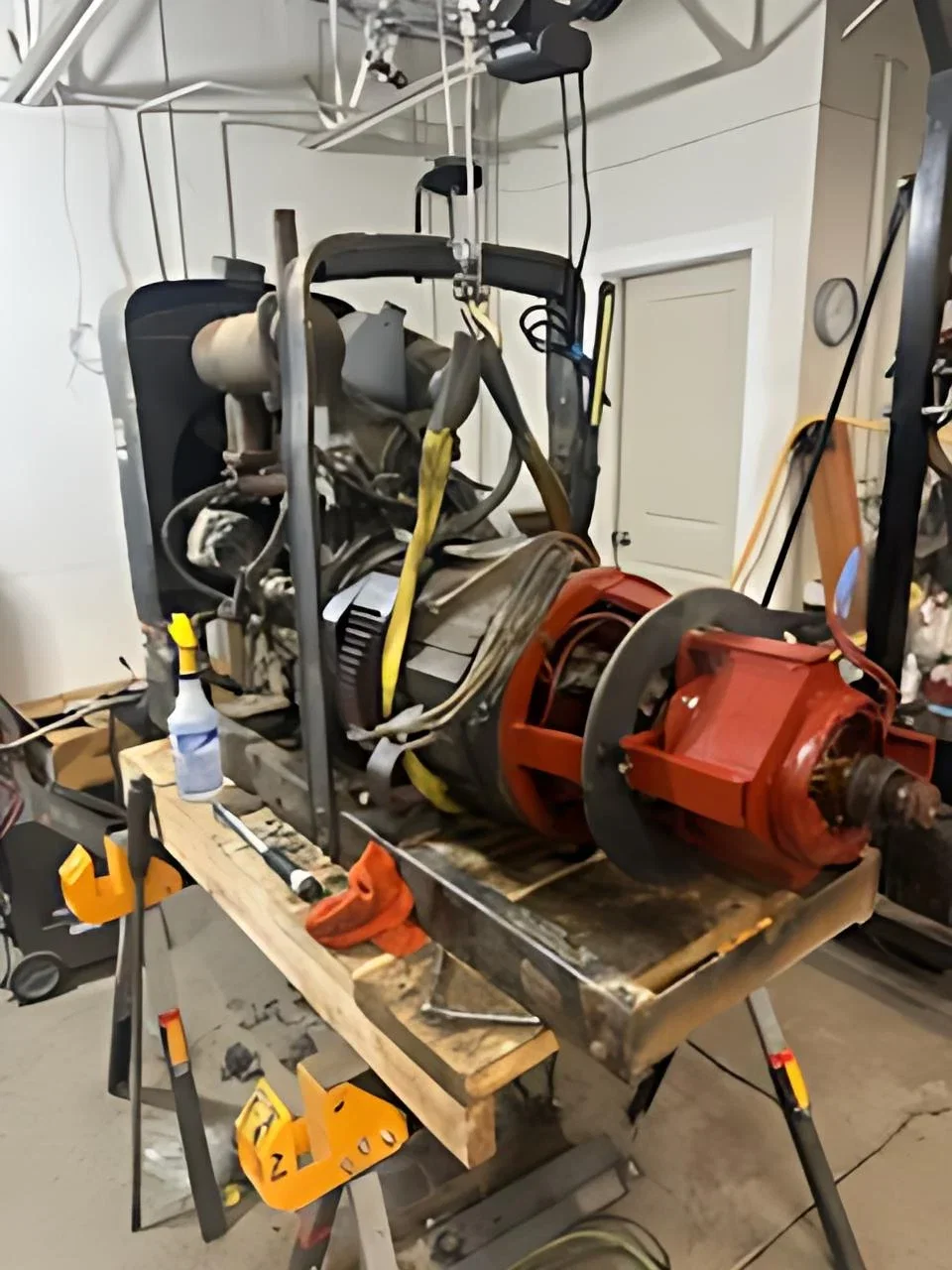
When you set a welder to a given output, you are trusting that the machine delivers it. Most of the time you have no way to see whether it does. The arc looks fine, the bead looks fine, and the dial says what it says. But the dial is only a reading, and readings drift. On work that has to meet a spec, or that someone else is going to inspect, that gap between the setting and the real output is where problems start.
Why output drifts
Welders are working machines, and they live hard lives. Heat cycles, vibration, dust, moisture and transport all take a toll. Components age. Connections loosen. Meters and control circuits that were accurate when the machine was new move away from where they started. Nothing about that is unusual, and none of it announces itself.
On engine-driven units there is a mechanical side too. Engine speed, governor response and generator condition all affect what the weld circuit actually delivers. A machine can be perfectly usable for general repair work and still be off enough to matter on a procedure that depends on specific settings.
The result is a machine that welds, but not necessarily the way the paperwork says it does. That is the risk calibration is there to remove.
It also explains why two machines of the same make and model can behave differently on the same procedure. Each has its own history: how hard it was run, how it was stored, how many times it travelled down a gravel road in the back of a truck. The nameplate tells you what the machine was designed to do. Calibration tells you what this particular machine is doing today.
What calibration involves
Calibration means checking what the machine actually delivers against a known reference, and adjusting it where it has moved. That takes specialized measuring and adjusting tools, which is the difference between calibration and simply running a test bead and looking at it.
- Measuring the machine's real output with reference instruments, not just reading the built-in meters.
- Comparing those measurements to what the controls and displays say.
- Adjusting the machine where it has drifted, or flagging faulty components that cannot be adjusted back.
- Checking the machine's condition while it is open, including connections, cables and cooling.
- Recording everything that was measured, found and changed.
That last point is the one people underestimate. A machine that is accurate is good. A machine that is accurate and has a record proving it is a different thing entirely.
Calibration is also different from a repair. A repair fixes something that is broken. Calibration confirms that a working machine is working correctly, and it sometimes turns up a small problem that would never have shown itself in the bead. Catching that before it reaches a customer's project is cheaper than explaining it afterwards.
Why the documentation matters
If your work is subject to quality control audits or project specifications, the question you will eventually be asked is not whether your welder was working. It is whether you can show that it was. A verbal assurance does not satisfy an auditor. A formal calibration record does.
We provide formal documentation with our calibration and testing work, so you have what you need for quality control audits and project specs. Having it on file before someone asks is far easier than trying to reconstruct it after a question comes up.
It also protects your own work. If a weld is ever questioned, a calibration record shows the equipment was verified, which keeps the conversation focused on the facts rather than on doubt about the machine.
When to have a machine calibrated
How often depends on the work, the machine and whatever your specs or quality program require. Some situations are good triggers regardless:
- Before starting a project that calls for documented equipment.
- After a repair, restoration or any work on the output circuit or engine.
- After a machine has been dropped, moved hard or exposed to the weather.
- When results have changed and you cannot find the cause in the setup or the operator.
- Ahead of a scheduled audit, so any issue is found on your timeline rather than the auditor's.
On site across the Peace Country
Pulling machines off a job to calibrate them costs you time, so we offer on-site calibration in our mobile service area. That means we can work around your schedule instead of the other way around. If a machine needs more than calibration, such as a repair that is best done in the shop, we will tell you and handle it from there.
We are an authorized warranty service provider for Miller and Lincoln welders, and our technicians are licensed electricians and heavy-duty mechanics. Call (780) 978-9004 or email Rosset.cam@gmail.com to book an appointment at our Grande Prairie shop or arrange a visit to your site.
1st Choice Welder & Generator Service and Repair, (780) 978-9004
Call (780) 978-9004More articles
Signs Your Welder Needs Repair Before It Quits on the Job
Welders rarely die without warning, and the crews that act on the early signs are the ones who stay on schedule.
Restore or Replace? How to Decide on an Old Miller or Lincoln
Before you write off an older machine, find out what is actually wrong with it and what it would take to bring it back.